

Matthew T
iD Mobile Employee
iD Mobile Employee
March 17, 2025
Blog

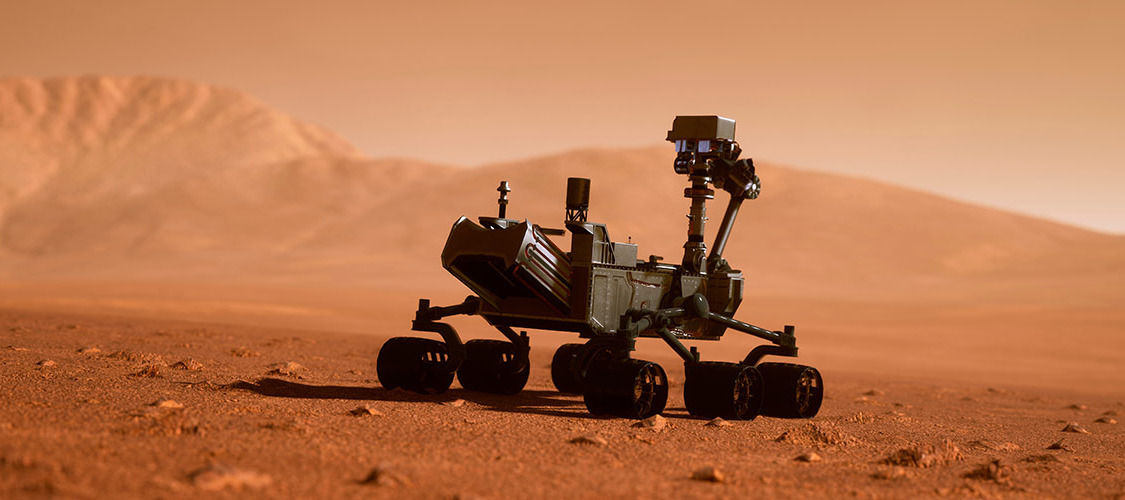
8 of the coolest things AI is doing.
  • March 17, 2025
  • 316 replies
  • 17289 views
8 of the coolest things AI is doing.

AI isn’t just about chatbots and self-driving cars, although those things are pretty cool! It’s revolutionizing fields in ways you’d never expect. From decoding lost languages to exploring the deep sea, AI is pushing the boundaries of what’s possible. So here are 8 of the most fascinating AI applications that might surprise you.

Plus, we’re giving away an HP Chromebook Plus with a 12-Month Google One AI Premium Plan! Find out how to enter at the end of the article.


1. Decoding ancient languages.
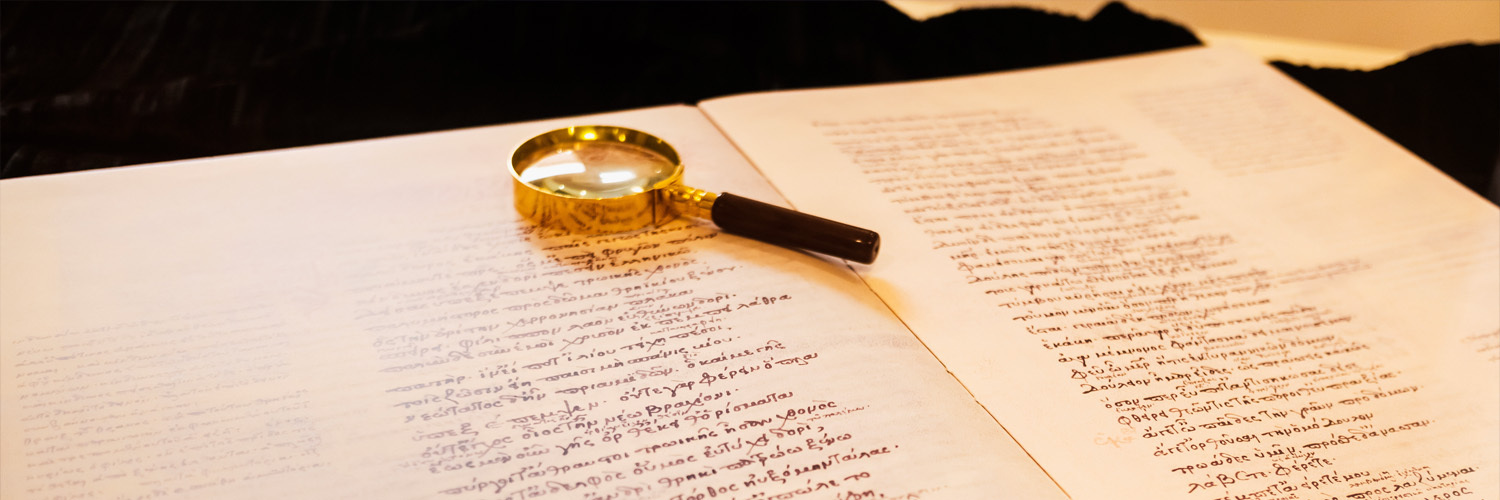


AI is helping linguists decipher lost languages by analysing ancient texts. Using algorithms, artificial neural networks predict missing words in ancient Greek manuscripts and Egyptian hieroglyphs. AI can even accelerate the translation of dead languages that have no modern equivalent. One example is China’s Oracle Bone Script, an ancient divination text carved into cattle bones and turtle shells!


2. Making masterpieces.


AI can already transform rough sketches into detailed artwork. Tools like Google’s AutoDraw guess what you’re trying to draw and complete it. It can also learn styles of famous artists and reproducing them.

But it’s an amazing collaborative tool for professional artists too. Artist Mario Klingemann worked with Google Arts and Culture’s AI Experiments project to create a series of AI-generated portraits. Meanwhile artist Sougwen Chung has programmed a robotic arm to mimic her painting style and contribute its own ideas!


3. Predicting earthquakes and natural disasters.



Despite all our best efforts, we’re still hit with natural disasters. That’s why AI is being deployed to detect early seismic activity patterns that humans can’t see. Google and Harvard developed an AI system that analysed data from 131,000 earthquakes and aftershocks.

And it’s not just what goes on underground. By analysing satellite images in real time, AI is also predicting wildfires based on weather and vegetation conditions. IN 2024, it helped to give warnings 10 days ahead of wildfires in Canada.


4. Recreating voices of historical figures.


AI models are analysing old recordings and reconstructing realistic speech. Projects like “AI Lincoln” allow historical figures to “speak” using AI-generated voices. And AI-powered voice cloning poignantly recreates passages of Anne Frank’s diary. When used sensitively, this could prove to be an incredible educational tool.


5. Bringing dreams to life.



AI models are interpreting brain activity to generate images based on dreams. Some AI projects are attempting to translate dream descriptions into visual animations. And AI-assisted dream journaling apps (like Dream Interpreter AI) can suggest themes and meaning based on past dream data.


6. Discovering new drugs and cures.


Lab work is vital, but done manually by technicians it can also be a gruelling process. AI can scan millions of molecular structures to discover potential new medicines. It might be able to speed up the process of finding life-saving drugs by years, and is even helping create personalised medicine tailored to an individual’s genetics. Though the technology is still new and unproven, the potential benefit to public health could be massive.


7. Design Board Games from scratch.
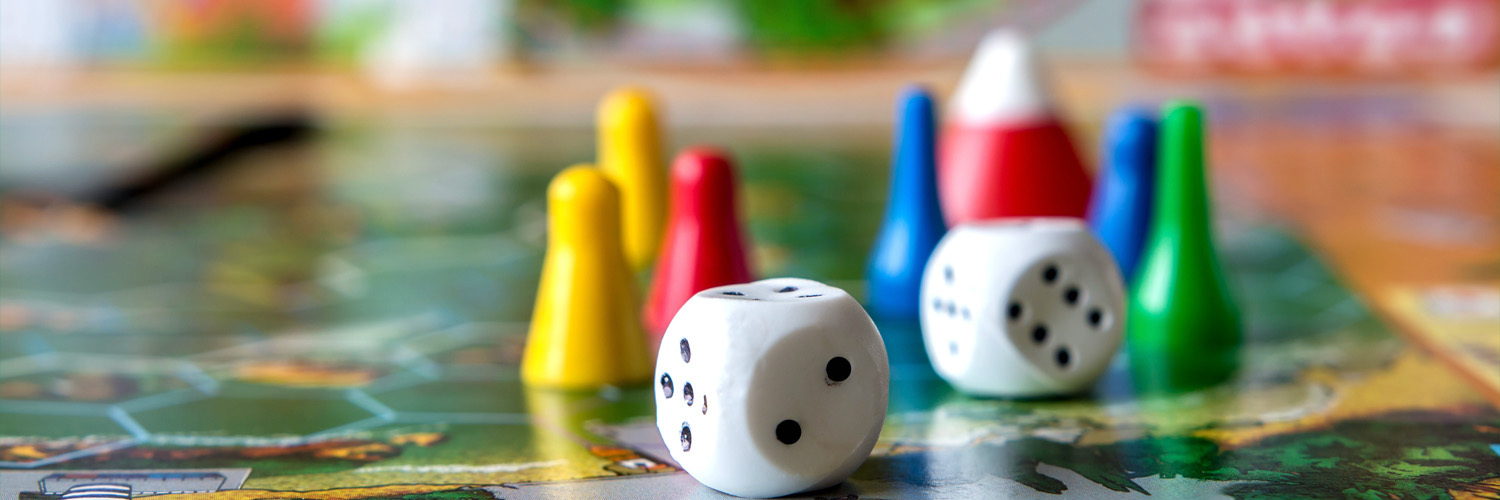


AI creates original board games, complete with rules and mechanics. It tests playability and adjusts difficulty levels dynamically, helping balance game mechanics for fairness and fun.


8. Make Deep-Sea Discoveries.


AI-powered submarines explore uncharted parts of the ocean. AI identifies new marine species by analyzing underwater footage, and maps the ocean floor faster than human researchers.


AI is more than just automation—it’s pushing the boundaries of science, creativity, and human potential.

These niche AI applications prove that its impact extends far beyond the tech industry. The future holds even wilder possibilities—what’s next for AI?


Giveaway Time!



Now that you’re thinking about the possibilities of AI, what would you love AI to help you with in your daily life? 

Share your answer below for a chance to win an HP Chromebook Plus with a 12-Month Google One AI Premium Plan!

The winner will be picked at random, so keep an eye on your inbox or DMs for a message from us. But hurry – the competition closes on 21st April at 23:59!

    This topic has been closed for replies.

    316 replies

    New Contributor
    April 2, 2025

    I think a lot of people would love AI to help with meal planning and cooking. Imagine having an AI that suggests recipes based on what’s in your fridge, creates shopping lists, and even gives step-by-step cooking instructions. It could track your dietary goals, recommend healthier alternatives, and adjust portion sizes. No more stressing over what to cook or wasting ingredients. Plus, it could sync with delivery services, so missing items get ordered automatically. That’d save so much time!

    New Contributor
    April 2, 2025

    I like trying new recipes, but often find it requires new ingredients that I can’t incorporate easily into my existing repertoire. I would love a meal planner that uses AI to minimise food waste bu suggesting recipes for a weekly meal plan that uses all the same ingredients. 

    New Contributor
    April 2, 2025

    I would like AI to create a working schematic based on an Autocad DWG layout or a Revit layout 

    Stephen Allingham
    New Contributor
    New Contributor
    April 2, 2025

    I would use it to oversee my bills etc and automatically find the best deals, get in touch with companies that are over charging, to stop me from sitting on a phone waiting to do it myself.

    New Contributor
    April 2, 2025

    I would love AI to help me make decisions & be less anxious about making a bad one!  oh - and to be less of a perfectionist! 

    New Contributor
    April 2, 2025

    I would like AI to help me research my family tree. I have old family photos with unknown people in them and it would be great if AI could identify them. To sort out all the online family records and be able to help me make sense of them based on dates and locations would be fantastic.

    Active Contributor
    April 2, 2025

    Empowering Dyslexia with AI: Breaking Barriers and Unlocking Potential

    Living with dyslexia has presented its share of challenges, especially when it comes to written communication. From struggling with spelling to structuring coherent sentences, everyday tasks that many take for granted have often felt overwhelming. However, discovering AI tools has been a transformative experience—one that has not only made my life easier but also opened new doors of opportunity.

    AI acts as my digital ally, ensuring that my words are clearly expressed and accurately written. It catches spelling errors, suggests better phrasing, and even organizes my ideas into polished sentences. What used to be a lengthy and frustrating process is now quick, efficient, and empowering. I can focus on creativity and content, knowing AI will handle the technical details.

    More than just a tool, AI has been a source of confidence. It allows me to communicate effectively, both personally and professionally, without second-guessing my ability to convey my thoughts. For me, AI is not just about convenience—it's about inclusion and leveling the playing field. It represents the future of accessible technology, where everyone's unique challenges are supported and celebrated.

    AI helped me write the above.


    Active Contributor
    April 2, 2025

    I would love it to tell me the clothes I would need from my existing wardrobe for what type of holiday I am going on.

    New Contributor
    April 2, 2025

    What would I love AI to help me with in my daily life?**  
    AI has already transformed the way we work, learn, and interact, but its true potential lies in making life more fulfilling. I would love AI to not just assist with tasks but elevate human experiences. Imagine an AI that understands emotions deeply—not just analyzing data but offering meaningful companionship, providing support in difficult moments, and encouraging self-reflection.  

    In my ideal world, AI would become a creativity booster, helping people unlock their hidden talents—composing music from scattered thoughts, turning fleeting ideas into masterpieces, and crafting personalized stories that feel alive. It could seamlessly integrate into daily life, automating routines with intuition so that time is freed for passion, connection, and personal growth.  

    More than efficiency, I want AI to **help humans live better, not just work better**—promoting mindful living, strengthening relationships, and even guiding us toward ethical decision-making with wisdom rooted in collective knowledge. AI should be more than a tool; it should be a catalyst for a richer, more meaningful existence.  

    Active Contributor
    April 2, 2025

    More detailed, continousl health tests....to help get to the bottom of what's causing my chronic chest pain