Android vs Apple: which one is right for you?

Still torn between the beautifully curated walled garden of Apple and the completely open playground of Android? Trust us, you are not the only one. It is an age-old debate, but the smartphone landscape has shifted dramatically as we cruise through 2026.
With the arrival of AI-first operating systems like iOS 26 and Android 16, the choice between Apple and Android is no longer just about hardware specifications or camera megapixels. Instead, it is all about which digital ecosystem best anticipates your daily needs and makes your life easier.
To help you decide, we put together a clear, up-to-date breakdown of how the latest flagship phones and software stack up against each other. Read on to discover which side fits you best, empowering you to make a confident upgrade decision.
Design and Hardware Innovation
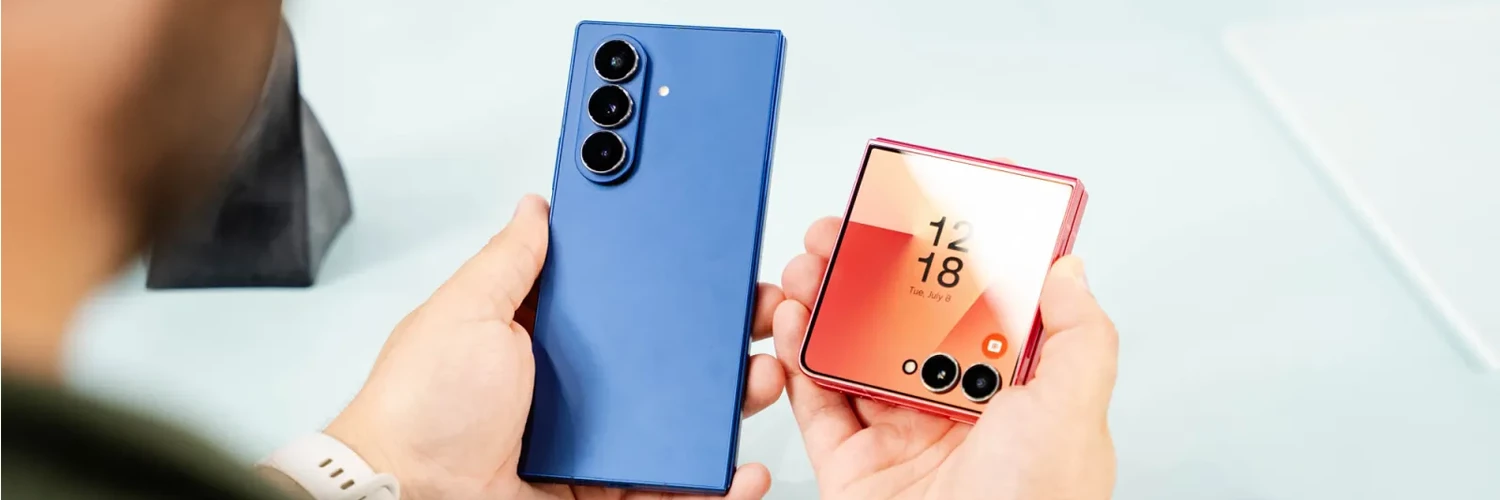
If you love a phone that feels like a premium piece of tech jewellery, Apple rarely disappoints. Apple brings a brilliantly cohesive design language across the latest iPhone 18 Pro range, iPhone Air, and iPhone 17 family. They prioritise premium materials and a unified look, meaning every phone feels effortlessly sleek and instantly recognisable.
Android, on the flip side, gives you an absolute smorgasbord of choices. You get an incredible variety of shapes and sizes to suit your exact lifestyle. You can choose anything from durable, pocket-friendly foldables that snap shut, to the innovative new 'Privacy Display' featured on the powerhouse Samsung Galaxy S26 Ultra. If you want hardware that stands out from the crowd, Android has you covered.
The AI Assistant Showdown

Apple completely revamped Siri for iOS 26, and the difference is night and day. Siri now leans heavily on secure, on-phone Apple Intelligence. This gives you highly polished, privacy-first contextual awareness. It means Siri understands what is on your screen and helps you take action, all without sending your personal data to the cloud.
Android continues to push Gemini AI front and centre. Whether you're using a Pixel 11, Samsung Galaxy S26, or another modern Android handset, Gemini can help organise plans, summarise information, draft messages, and assist across multiple apps. Thanks to deeper integration across Android 16, your phone feels more proactive and helpful than ever.
Ecosystems and Connectivity
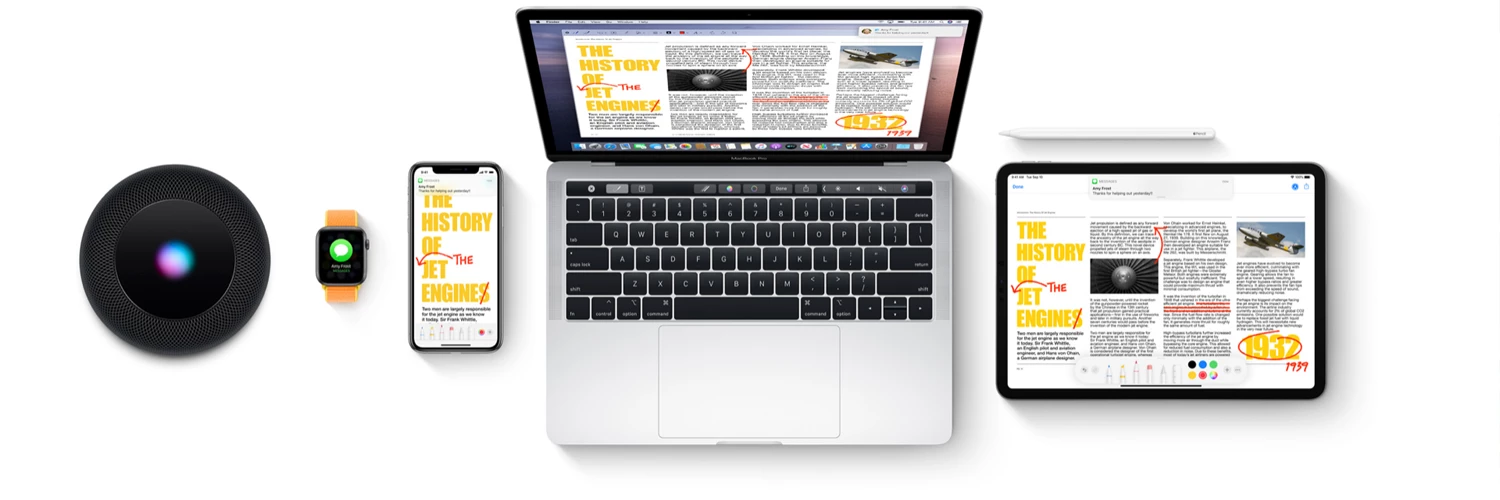
This is where Apple usually flexes its muscles. They offer unmatched cross-device synergy. An iPhone integrates flawlessly across their entire ecosystem, from MacBooks and iPads to your Apple Watch and AirPods. You get seamless task handoff, meaning you can copy text on your phone and paste it on your Mac instantly, or AirDrop massive files in seconds without skipping a beat.
Android balances this beautifully by giving you a wonderfully open ecosystem. You get far greater flexibility to connect your phone with a much wider variety of third-party smart home gadgets. Plus, Android phones pair brilliantly with Windows PCs, allowing you to reply to text messages straight from your laptop keyboard.
Battery Life and Universal Charging
We know you need a battery that keeps up with your busy life. Thankfully, the latest 3nm chips—which act as incredibly efficient brains for your phone, like the Google Tensor G6 and Apple A20—provide true all-day battery life. They make sure you stay powered up even when you run heavy AI tasks or play demanding games.
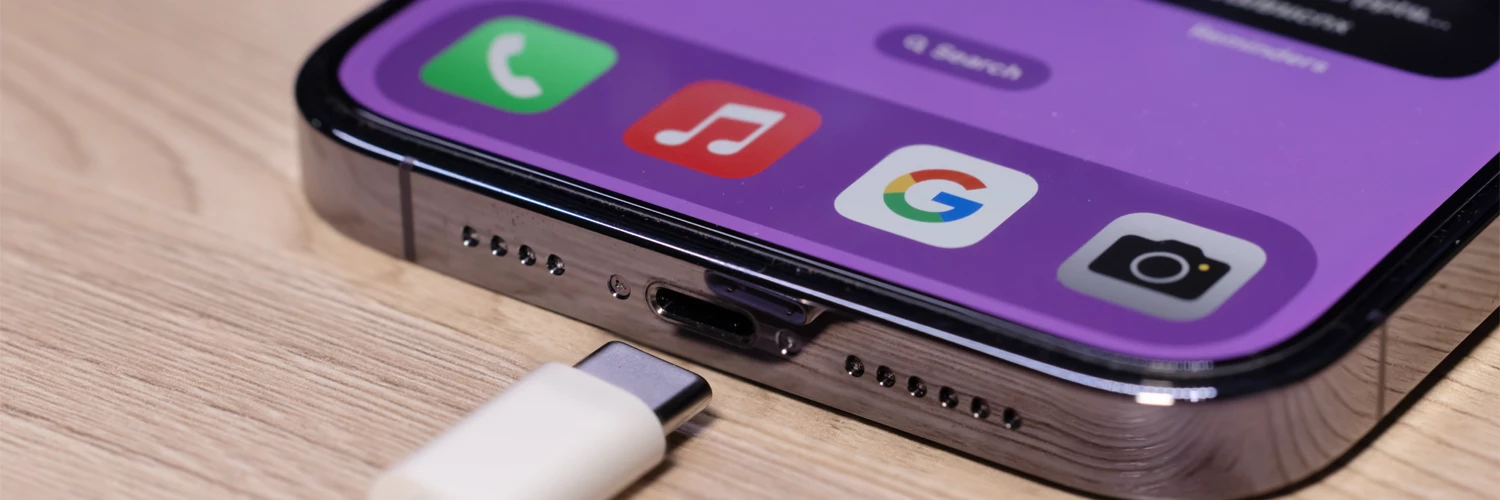
We also have some brilliant news on the charging front. Both platforms now embrace the Qi2 magnetic wireless charging standard. This welcome standardisation means you can access fast, snap-on wireless charging universally, regardless of which brand you choose to buy.
Price vs. Value in 2026
You no longer need to spend a fortune to get a brilliant phone. We are currently seeing some of the most competitive budget and mid-range options ever released. Apple offers excellent value with the iPhone 17e, while Android continues to impress with devices such as the Google Pixel 10a and Samsung Galaxy A57 5G, which pack flagship-inspired features into far more accessible price points..
Of course, premium flagship phones still command high prices on both sides of the fence. However, our flexible iD Mobile contracts and helpful trade-in schemes make the latest tech highly accessible. You can easily hand in your old phone to lower the monthly cost of your shiny new upgrade.
To sum it all up
- Apple offers a beautifully cohesive design; Android provides diverse, exciting hardware innovation.
- iOS 26 focuses on secure, on-phone AI; Android 16 leverages powerful, proactive cloud intelligence.
- Apple delivers flawless integration across its own hardware; Android gives you cross-platform freedom to connect to almost anything.
- Fantastic, great-value options exist on both sides, from the iPhone 17e to Android favourites such as the Pixel 10a and Galaxy A57 5G.
Check out our latest deals online at iD Mobile today to explore our top-tier smartphones. Which side of the smartphone divide are you currently on, and what specific feature keeps you there? Let us know in the comments below!