

Matthew T
iD Mobile Employee
iD Mobile Employee
December 30, 2024
Blog

The iD Mobile Guide to Saving Money in 2025.

  • December 30, 2024
  • 208 replies
  • 19509 views
How to save money in 2025.

2025. The start of a brand-new year, and the time when we set resolutions and make goals. Saving money is a top resolution for lots of us, and with good reason - who doesn’t want to keep more cash?

Whether you’re saving up for a big purchase, clearing debts, or just trying to stretch your pay packet further, 2025 is a great year to get serious about saving. To help you on your way, we’ve rounded up five easy tips that can make a real difference to your bank balance.


1. Take some time to budget.



If you don’t already have a budget, now’s the time to create one. It might sound like a boring task, but trust us - it’s the key to successful saving. A budget gives you a clear picture of where your money’s going and helps you identify areas where you can cut back. Here’s how to get started:

  1. List your income.
  2. Track your expenses, from essentials like rent and groceries to all those coffee runs.
  3. Subtract your expenses from your income to see what’s left.

Once you’ve laid it all out, you’ll quickly see where you can make changes. Are those streaming subscriptions piling up? Could you batch-cook instead of ordering cheeky takeaways? A great tool to use is the Money Saving Expert Budget Planner. It’s free and really easy to use.

2. Switch and save on utilities.
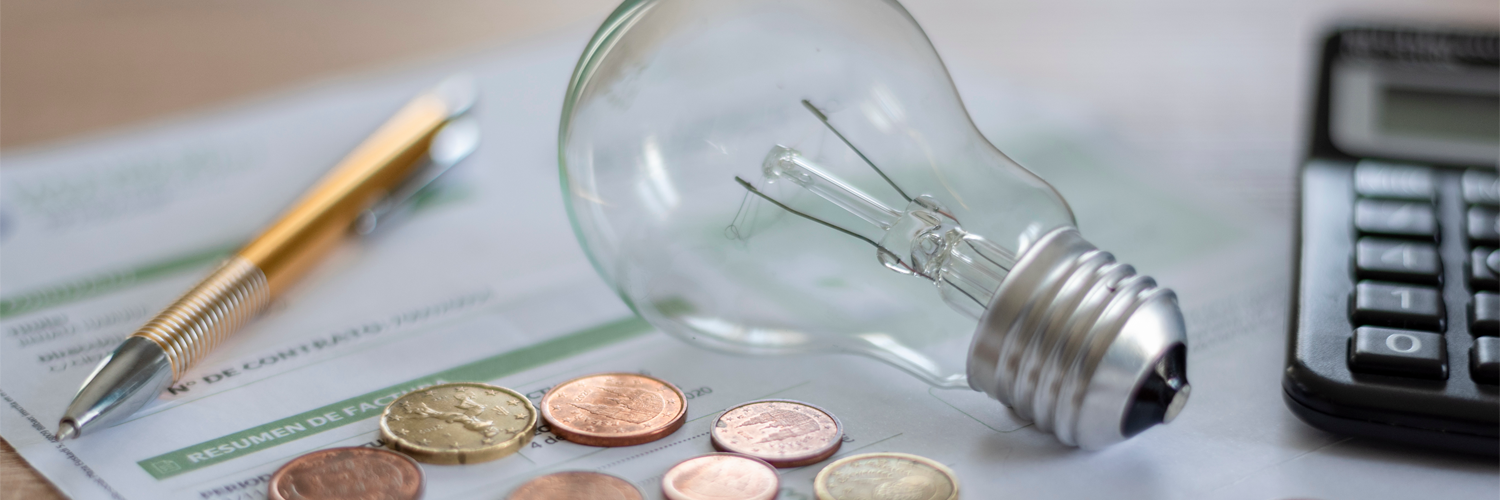


Gas and electricity prices made headlines last year. And for lots of us, they’re still a bit of a headache. The good news? Switching providers can save you a chunk of cash. Services like Octopus Energy offer competitive rates, plus you can often snag referral discounts. Here’s a link to get you started.

Now let’s talk about your internet. Did you know you could save on broadband too? iD Mobile offers Unlimited Data SIM Only deals starting from just £15 a month, and if you pair it with a mobile router from Currys, you could have a budget-friendly Wi-Fi solution. Better yet, pop into your nearest Currys store - they can help you switch broadband providers to find the best deal.


3. Switch to iD Mobile.



We know most of you are already part of the iD family, but if you’re not… what are you waiting for? By seeing the light and switching to iD Mobile, you can save an average of £240 a year compared to major networks. Prefer a SIM Only Deal ? iD Mobile customers save an average of £15 a month compared to other providers. That’s £180 a year!

Already an iD customer? Take a look at your current plan - you might find that you’re eligible for an upgrade or plan change that saves you even more.

4. Get paid to switch banks.



Switching banks might sound like a hassle, but it’s never been easier. And some banks will even pay you to move your account. That’s right - free money just for making the switch!

Check out the latest offers on the Money Saving Expert Bank Account Comparison. Quite a few banks offer bonuses of £100 or more, and some throw in extras like cashback on bills or free overdrafts.


Bonus tip: Before switching, make sure you’ve got any Direct Debits or regular payments noted down so you can check they’ve all transferred correctly.


5. Get smart with shopping deals.



Whether you’re shopping for groceries, gadgets, or gifts, there are loads of ways to save. Here are three fantastic tools that are worth checking out:

  • Hotukdeals: Find the best sales and discounts on anything from tech to travel.
  • TopCashback: Earn cashback on your purchases from a huge range of retailers.
  • Honey: Automatically find and apply discount codes while you shop online.

The trick here is to avoid impulse buying just because something’s on sale. Make a shopping list, stick to it, and use these tools to save on what you genuinely need.

Wrapping up…


Saving money in 2025 doesn’t have to be difficult or time-consuming. It’s all about making small, smart changes that add up over time. From budgeting and switching utilities to making the most of cashback sites, there are plenty of ways to make your bank account feel better.

Now it’s your turn. What are your best tips for saving money?

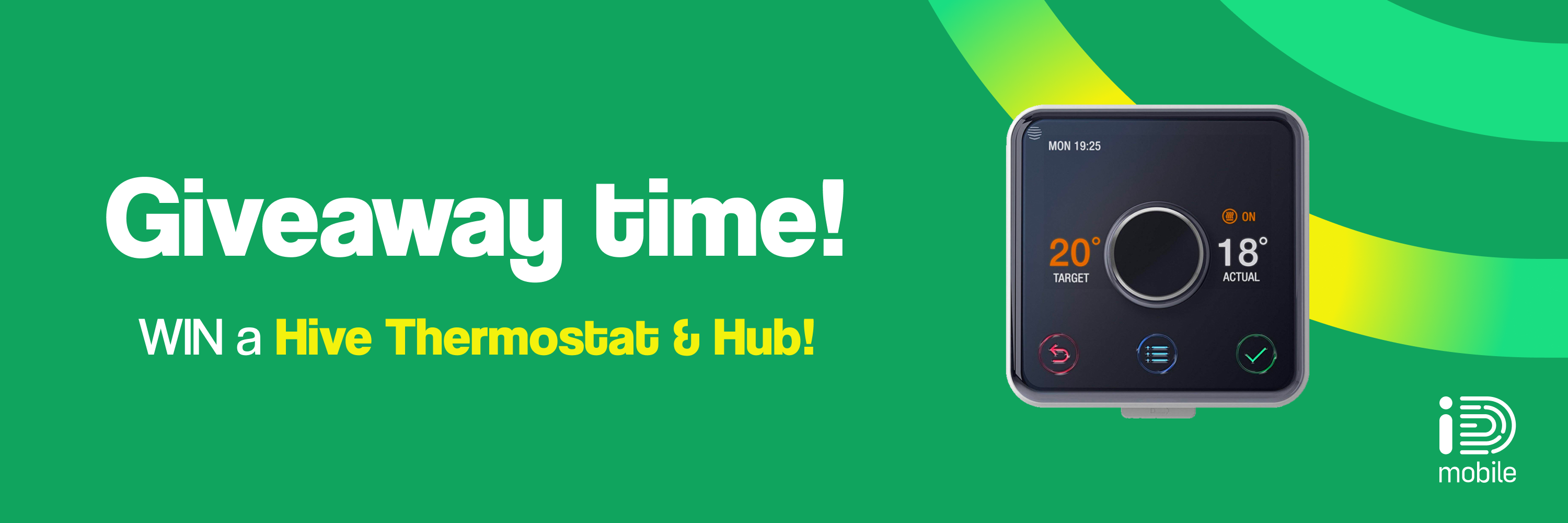
Share them with the community in the comments below - your advice might just win you a Hive Smart Thermostat & Hub!

Entries close on 20th January 2025 at 23:59. The winners will be chosen at random and announced shortly after, so keep an eye on your inbox or DMs for a message from us.

    This topic has been closed for replies.

    208 replies

    New Contributor
    January 6, 2025

    Meal planning is key. Know before you go shopping what you are going to eat each day before you go shopping. Sounds daunting but it quickly becomes natural. Doesn’t mean that real life won’t occur and changes need to be made to accommodate but shopping to a plan and knowing what you already have in your store cupboard/freezer and fridge will help to reduce your food waste.

    Texy Bear
    New Contributor
    New Contributor
    January 6, 2025

    Get a id mobile account  turn your boiler down to 60 degrees  turn router water down between 50 and 60 degrees 

    New Contributor
    January 6, 2025

    Keep an eye on the little things, they soon add up. Minimise non essential spending, £10 a day on coffee & lunch is £3,650 per year!

    New Contributor
    January 6, 2025

    Search for discount codes when purchasing online. I've saved money doing this plenty of times

    New Contributor
    January 6, 2025

    Saving money effectively starts with energy efficiency—installing smart plugs and bulbs, sealing windows and doors, and lowering your thermostat by just 1-2°C can significantly reduce your bills. Batch-cooking, meal prepping, and running appliances during off-peak hours help save both time and money. Shopping smartly is key: buy second-hand, use cashback apps, wait 24 hours before making impulse purchases, and opt for store brands instead of name brands. Decluttering your home and selling unused items on platforms like eBay or Facebook Marketplace can generate extra cash. Track your expenses with apps, automate savings, and negotiate better deals on bills like phone, internet, and insurance. Transport costs can be reduced by walking, biking, carpooling, or using public transport passes. Cut entertainment costs by hosting game nights, borrowing books from the library, or canceling unused subscriptions. Invest in energy-efficient appliances, reusable products, and long-term upgrades like insulation or double-glazed windows to save in the future. Additionally, start a side hustle or take advantage of government grants for electric vehicles and energy-efficient home upgrades. To win a Hive Thermostat & Hub, research the contest rules, maximize your entries, and engage with organizers on social media. With these habits, you’ll not only save money but also increase your chances of financial and contest success!

    New Contributor
    January 6, 2025

    Planning a budget, compare and reduce spending on food and other items, combat waste.

    New Contributor
    January 6, 2025

    Saving money effectively starts with energy efficiency—installing smart plugs and bulbs, sealing windows and doors, and lowering your thermostat by just 1-2°C can significantly reduce your bills. Batch-cooking, meal prepping, and running appliances during off-peak hours help save both time and money. Shopping smartly is key: buy second-hand, use cashback apps, wait 24 hours before making impulse purchases, and opt for store brands instead of name brands. Decluttering your home and selling unused items on platforms like eBay or Facebook Marketplace can generate extra cash. Track your expenses with apps, automate savings, and negotiate better deals on bills like phone, internet, and insurance. Transport costs can be reduced by walking, biking, carpooling, or using public transport passes. Cut entertainment costs by hosting game nights, borrowing books from the library, or canceling unused subscriptions. Invest in energy-efficient appliances, reusable products, and long-term upgrades like insulation or double-glazed windows to save in the future. Additionally, start a side hustle or take advantage of government grants for electric vehicles and energy-efficient home upgrades. To win a Hive Thermostat & Hub, research the contest rules, maximize your entries, and engage with organizers on social media. With these habits, you’ll not only save money but also increase your chances of financial and contest success!

    BuddyandGizmo
    New Contributor
    New Contributor
    January 6, 2025

    What has worked well for me in terms of building up savings is creating a zero-based budget. This means you Allocate every pound of your income to a range of categories/pots, that include not just your monthly outgoings but also allocating/saving money towards annual/one off spends such as Xmas, house, pet, and car expenses, kids’ birthdays, holidays etc. Work out how much you spend on them per year and then divide by 12, and put this money away each month. This means that you will build up the cash for these spends ready for when you need it, and you will also have a clearer (more accurate) idea of how much ‘spare’ (meaning ‘unallocated’) money you have to save or spend each month for fun/frivolous things, towards long term goals and for an emergency fund. It is also so reassuring to have your pots fill up, ready for when you need them. For example, my car needs servicing and has its MOT every March but I already have a pot with £700 in it ready to go, and it’s only Jan. I also have a pot for my house insurance for April with £300 in it, have just re-started my Xmas pot after spending it on Xmas 24, etc etc. Budgeting this way means you don’t have ‘boom and bust’ months where you spend all your cash on one thing (like Xmas) and you don’t find yourself randomly raiding your savings to buy silly stuff, as you have already pre-decided what the money will be spent on. 

    My pots are:

    car maintenance, mot, tax, insurance

    pet food (I buy in bulk every three months)

    house and pet insurance

    water bills (billed every 6 months) 

    holiday 

    birthday and Xmas 

    House maintenance/replacement white goods 
    Ring subscription, Amazon prime 

    long term savings (overpay mortgage, update bathroom, kitchen, stocks and share isa)

    Emergency funds - to cover 3-6 months outgoings 

    Monthly essentials - groceries, petrol/travel to work 

    monthly fun spends - eating out, coffee shops, clothes, 

    you will be shocked by how quickly your pots add up, even if you can only put aside a little every month, and saving becomes ridiculously addictive and satisfying!  

    Helpful Contributor
    January 6, 2025

    That old adage 'if you don't need it, don't buy it's.

    Carrice
    New Contributor
    New Contributor
    January 6, 2025

    Put money away each month.