
From fake jobs to AI voices the new scams to watch out for.
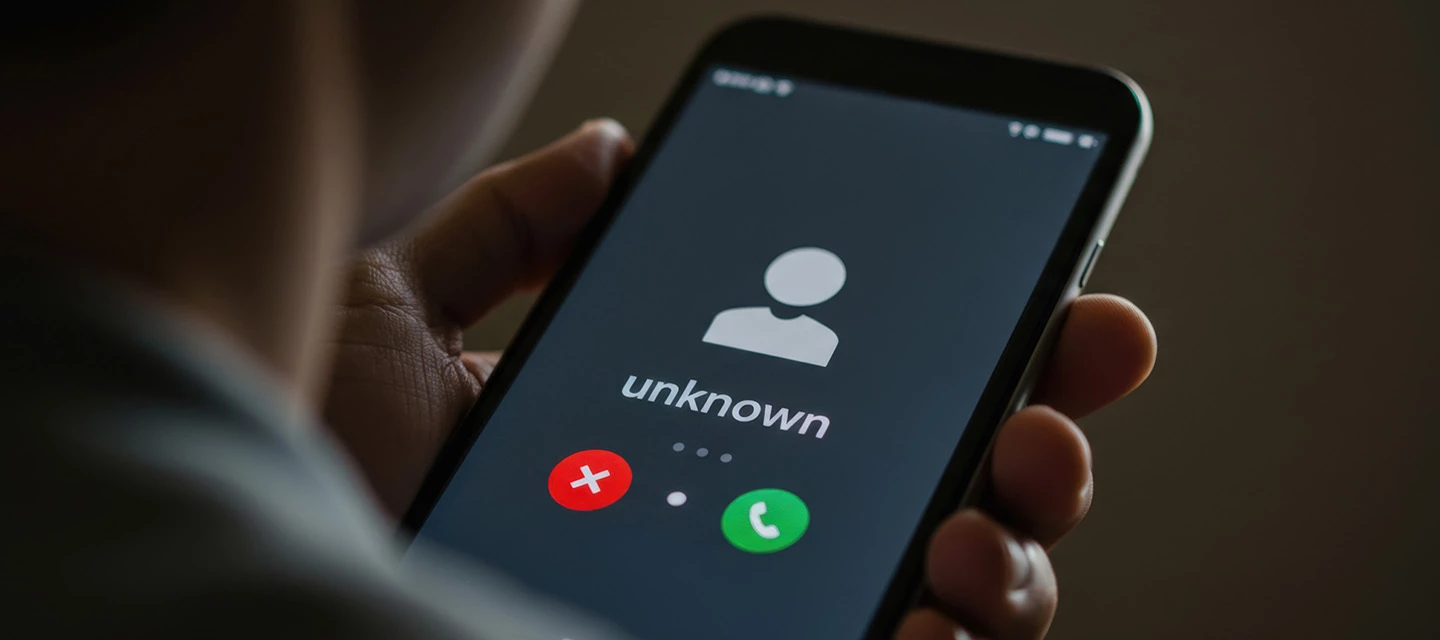
Think you’re savvy enough to spot most scams? Those “you’ve won the lottery!” emails have always been easy to mark as junk. But today’s scams are a lot more sophisticated and convincing, with fraudsters getting extra creative. They’re even trying to steal data by tapping into our smartphones.
The good news? You don’t need to panic. That’s because in this guide, we’ll walk you through the latest mobile scams — from fake job offers to AI-powered deepfakes. You’ll learn how they work, the warning signs to watch for, and ways to keep your phone and personal details safe.
The “you’ve got the job” scam.

Job hunting is stressful enough, so don’t let scammers make it worse. They’re now targeting job seekers on platforms like LinkedIn and Indeed, by posing as recruiters offering dream roles with great pay and flexible hours.
How this scam works:
You might get a text, WhatsApp message, or even a call from someone claiming to represent a company. They’ll propose a job that sounds perfect — no interview needed, just a quick background check. Sounds good, right?
Then comes the catch. They’ll ask for details like your National Insurance number or bank info, supposedly for a DBS check. And they could even request a training fee to get started. Then once you share your data or pay, they’ll vanish. But there are ways to catch them out before they steal your info or money:
Red flags to watch for:
- Unsolicited contact from someone you’ve never spoken to.
- Vague job descriptions or roles that seem too good to be true.
- Requests for money upfront — legitimate employers will never ask for payment.
- Pressure to act quickly, often with a sense of urgency.
Tip: Always verify job offers by checking the company’s official website or contacting them directly. If something feels off, trust your gut.
Quishing: the QR code phishing threat.
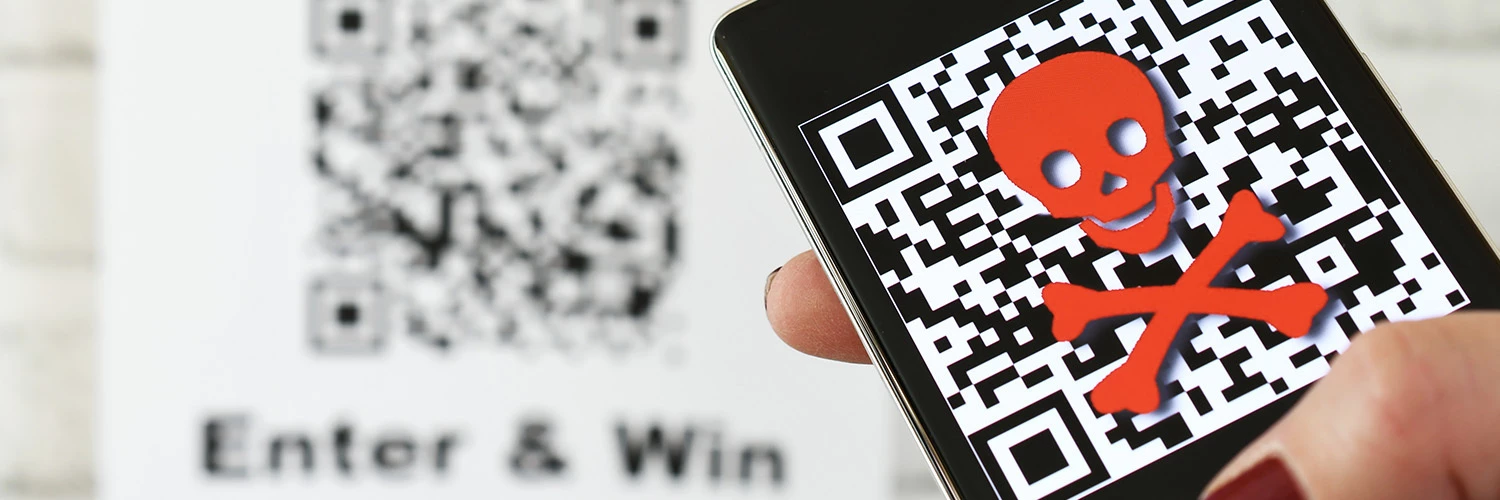
We see QR codes everywhere these days. And it’s no surprise, as they’re super handy. Whether you're checking out a restaurant menu or paying for parking — all it takes is a quick scan with your phone. But scammers have found ways to turn this modern convenience into a trap.
How “quishing” works:
Fraudsters print fake QR code stickers and place them over real ones in public spaces. This means that when you scan the code, it can take you to a convincing but fake website that asks for payment or login details. These sites often mimic legitimate services too, which makes it extra hard to spot the difference.
How to stay safe:
- Inspect QR codes before scanning. If it looks like a sticker placed over another image, be very cautious.
- Check the URL after scanning. If the web address looks weird and suspicious, don’t enter any information. Just close that tab in your browser immediately.
- Avoid scanning codes in random public places, especially if they’re not part of an official display.
The rise of deepfake scams.

AI is helping make our lives easier in loads of amazing ways. But unfortunately, scammers are using it for nefarious reasons with deepfake technology. It can mimic voices and create videos that look incredibly real, making scams much tougher to spot. Here’s how deepfake tech works…
Voice cloning:
The classic “Hi Mum/Dad” scam is evolving, with fraudsters now grabbing audio clips from your social media accounts to clone a loved one’s voice. Yup, it’s pretty scary. One common tactic is sending a panicked voicemail or making a call asking for an urgent bank transfer. It might sound just like someone you care about, but it’s not really them.
Deepfake videos and images:
AI can generate fake videos of celebrities endorsing scam products or create compromising images for blackmail attempts. These visuals can be extremely realistic, making it hard to tell what’s genuine.
Simple ways to protect yourself:
- Be very sceptical of urgent requests for money, even if the voice sounds familiar.
- Hang up and call back using the number you have saved for the person — to check what they’re saying is legit.
- Don’t trust videos or images at face value, especially if they’re asking for money or promoting a product.
Tip: If something feels emotionally manipulative or rushed, take a moment to pause and verify.
Conclusion: stay sharp, stay safe
Scammers are always finding new tricks, but the basics of staying safe haven’t changed:
- Be wary of unsolicited contact.
- Slow down and don’t let urgency cloud your judgment.
- Verify everything before sharing personal information or making payments.
Staying informed is also your best defence. With a little vigilance and awareness, you can stay one step ahead of those pesky scammers. And if you receive a suspicious text or call, report it by forwarding the message to 7726. It’s totally free and helps mobile providers block scam numbers.
Have you ever encountered any of these scams? By sharing your experience in the comments below (without personal details!), you can help others stay safe.